 By
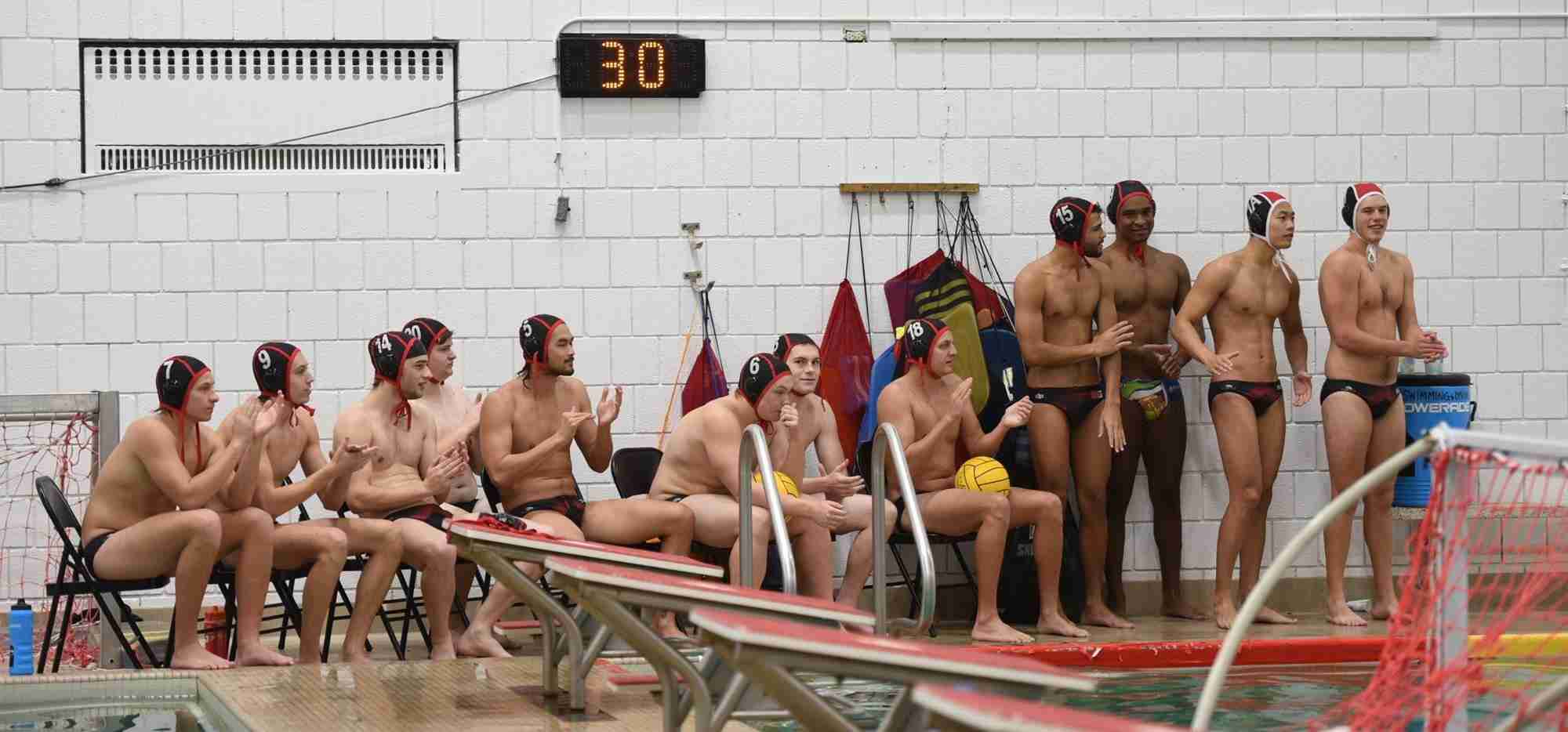
By Last week’s news about a move by Washington & Jefferson men’s water polo team from the staid Collegiate Water Polo Association (CWPA) to the mighty Mountain Pacific Sports Federation (MPSF) struck like a thunderbolt. How can a DIII program at a small, highly-selective private college in Pennsylvania stay afloat against
While Its Women Compete for Championships, MPSF Loads Up on Men’s Water Polo
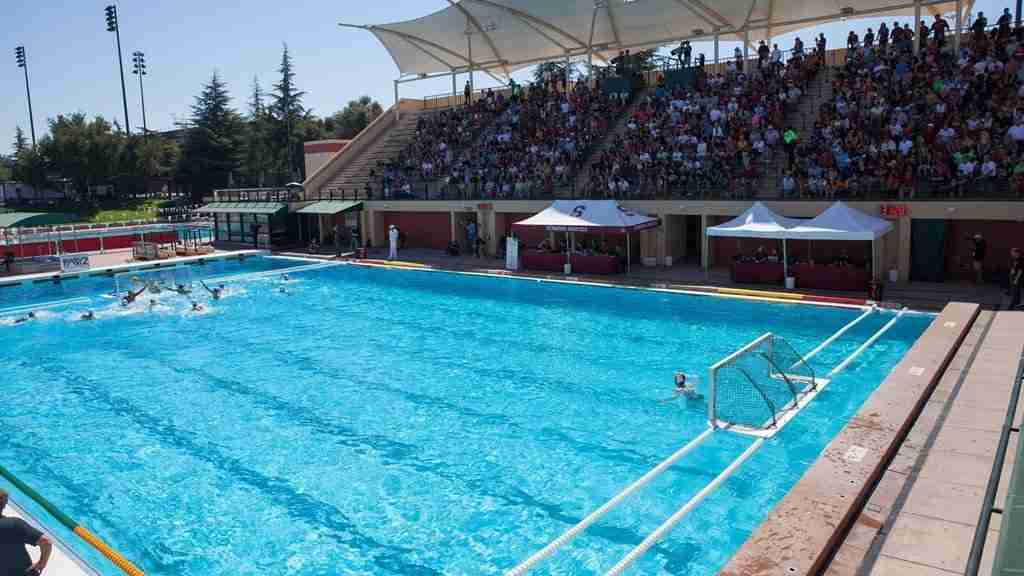
Slipped into the hoopla surrounding the Mountain Pacific Sports Federation (MPSF) women’s water polo championship, won Sunday 11-9 by #2 Stanford over #1 USC, was an announcement notable for its potential ripple effect on often overlooked polo programs. [Stanford Claims Its First MPSF Crown Since 2014] In a statement last
Connecticut College’s Matt Anderson on Camel Water Polo, Life in Division III
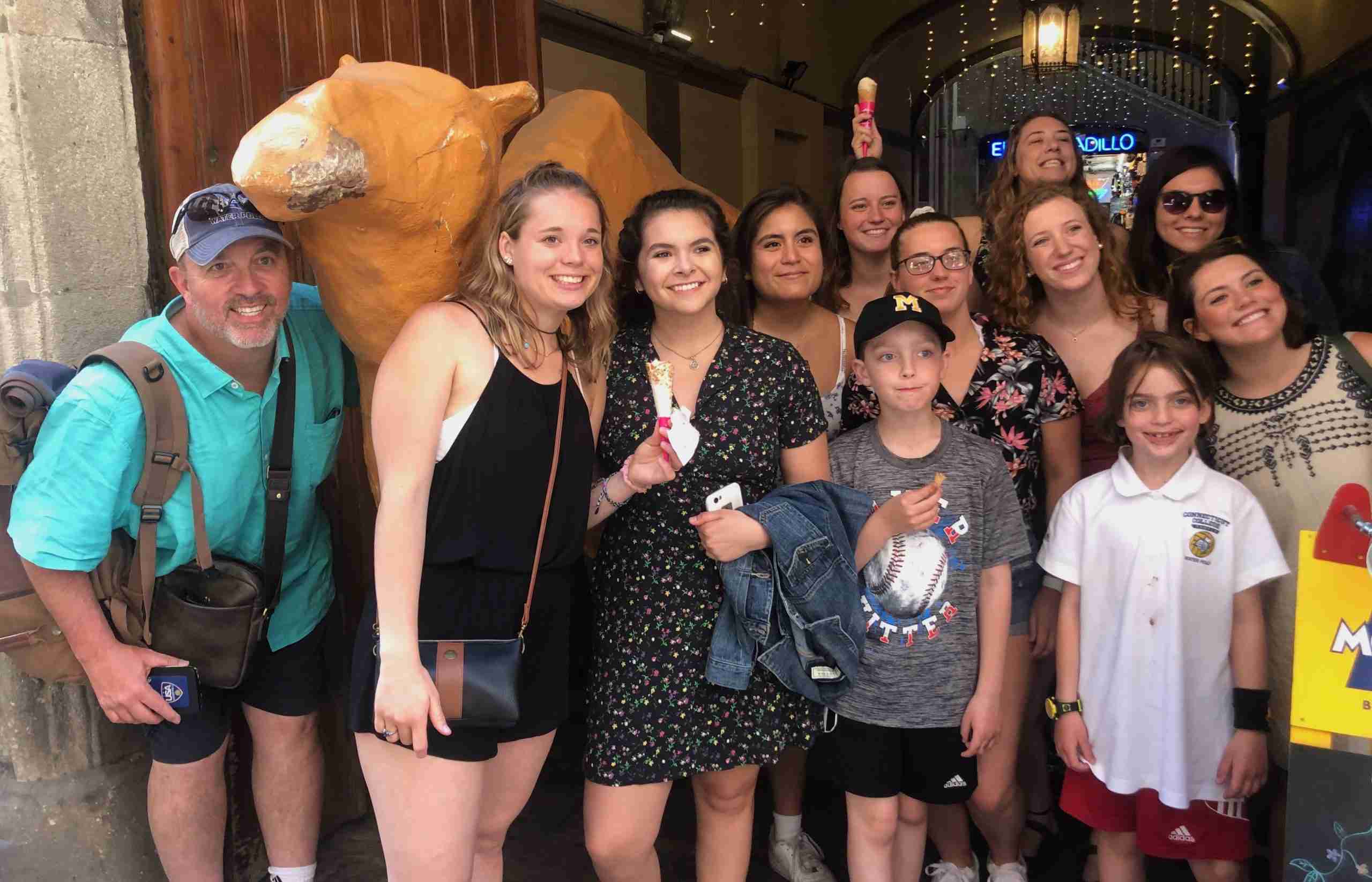
If you want to gauge the state of collegiate water polo in America, just ask Matt Anderson. Currently the head coach of the Connecticut College men’s and women’s teams, for 12 years (2003-14) Anderson led the University of Michigan women’s program—piling up 332 wins, 10 CWPA titles, four NCAA berths
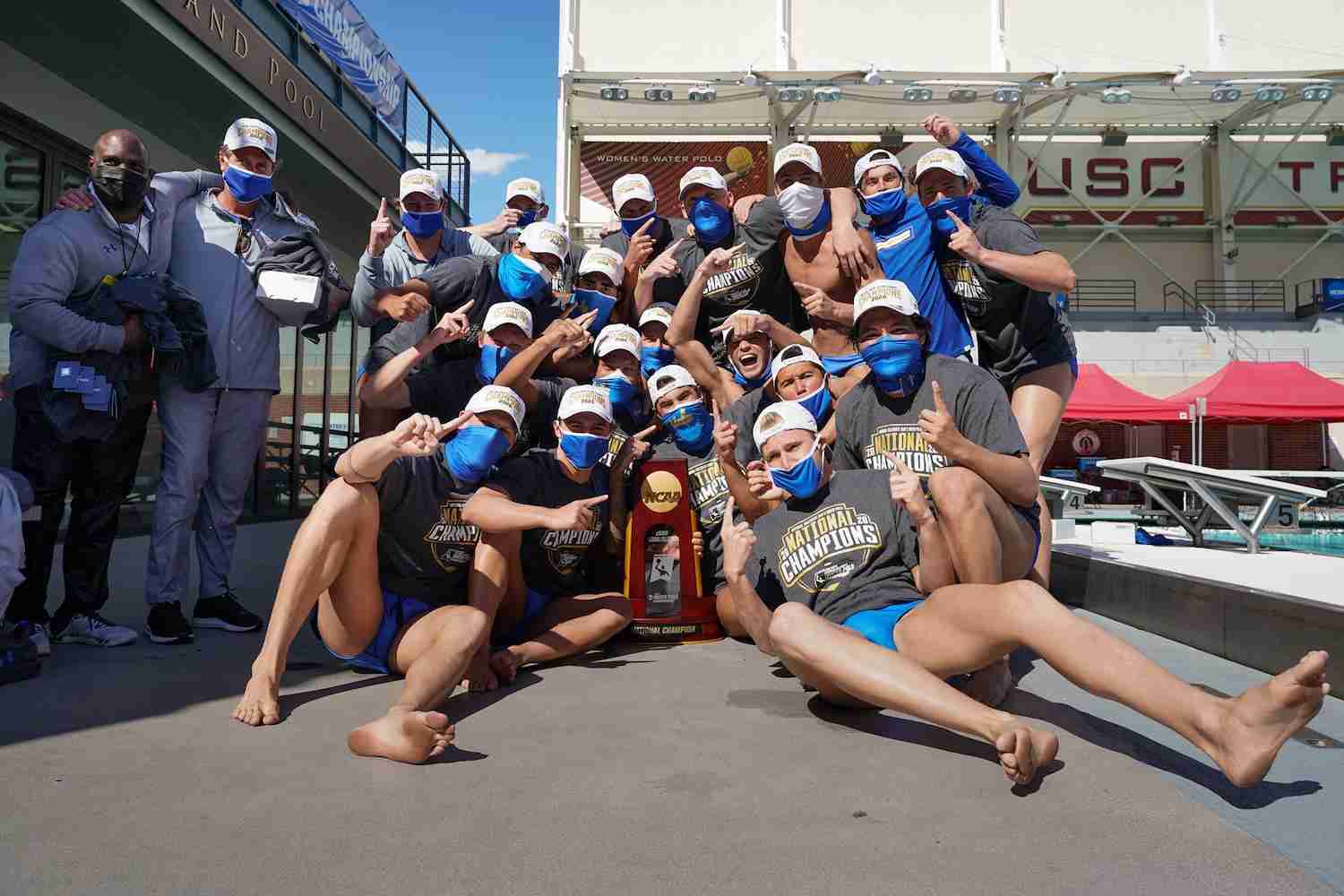
Talent-laden USC Begins ’21 Campaign MPSF, NCAA Favorites
Despite any protestations to the contrary, there’s no real parity in men’s college water polo. Over a half-century of NCAA championship play, only three programs outside the “Big Four” have won a national championship: UC Irvine (three times) Pepperdine (once) and UC Santa Barbara (once). Do the math: that’s less
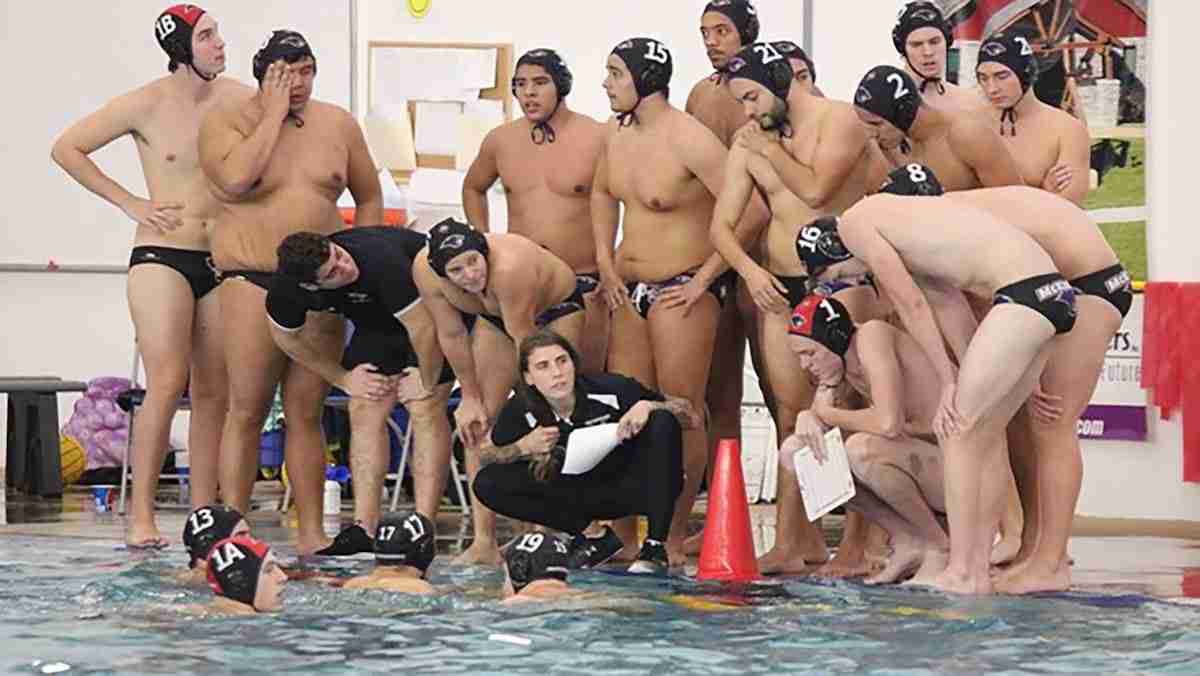
Augustana Begins First MAWPC-West Season as Monmouth Departs
The most important water polo region in America—contrary to opinions out West—is located primarily in the middle of the country. If the ill-named Mid-Atlantic Water Polo Conference-West can find a path to success, then there’s hope for polo to grow out of its small—and still precarious—footprint as a primarily West
 By
By